
Why Tendon Pain Won’t
Go Away
(And What Actually Helps)
May 4, 2026
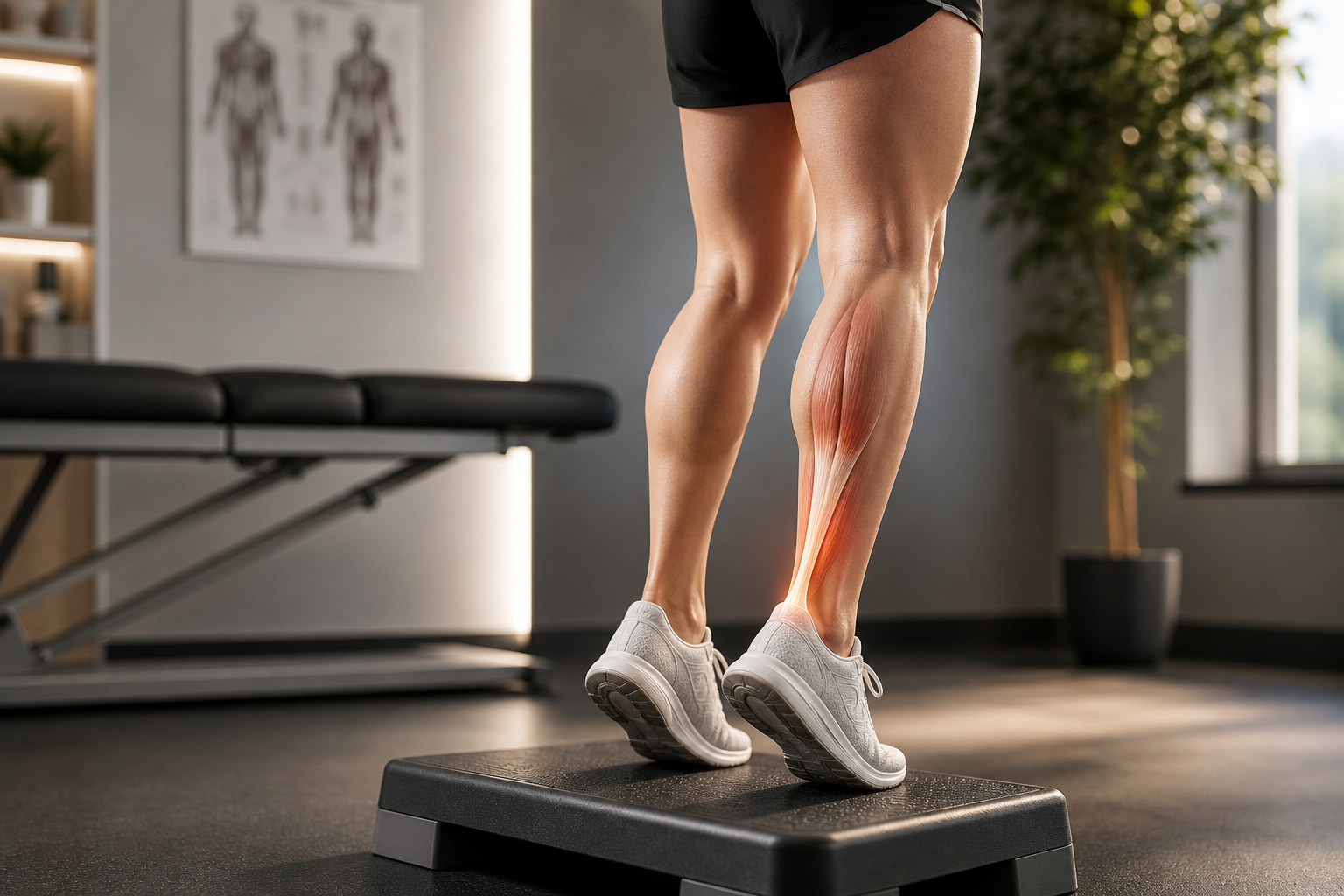
Physical Therapy Perspective: Why Tendons Need the Right Amount of Stress
Joanna Kahn, PT — Personal PT
Physical Therapy Perspective
If you’ve been told you have tendonitis and the solution is to rest, ice, and avoid activity, you’re not alone. But for many people dealing with ongoing tendon pain, the story is more nuanced.
Tendons follow what I like to call a Goldilocks rule.
Too much stress too quickly can irritate a tendon.
But too little stress isn’t helpful either.
Tendons actually need the right amount of loading to recover and become stronger.
So the goal isn’t to avoid using the tendon. The goal is to find the “just right” amount of stress that helps it adapt.
At Personal PT, we guide people through that process.
Exercise doesn’t just strengthen muscles. It also sends a signal to your cells. When a tendon experiences the right kind of loading, the body increases collagen production. Collagen is the main building block that gives tendons their strength.
When you load a tendon properly, you’re telling your body:
"We need this tissue to be stronger."
But the dose matters.
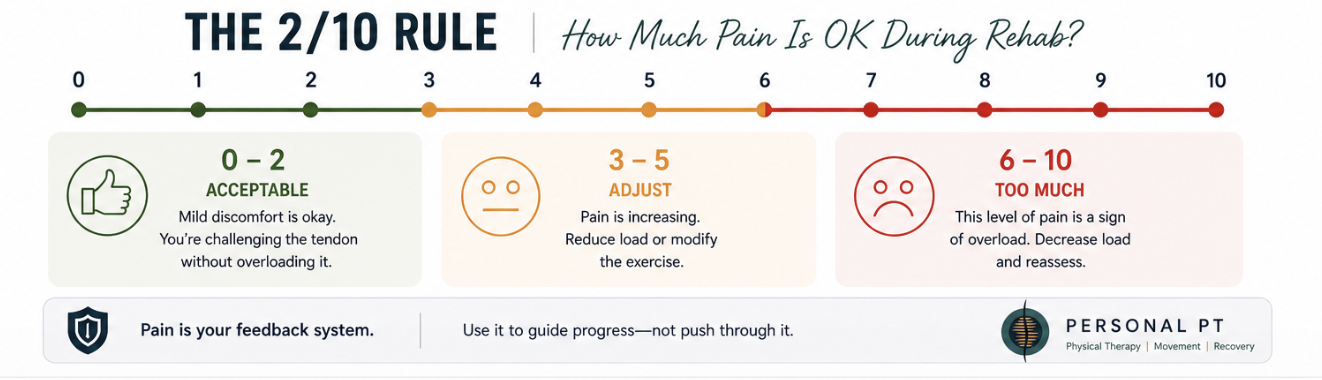
A simple rule I often give clients is to keep symptoms during exercise at 2 out of 10 or less.
A small amount of discomfort can be normal.
The tendon is being challenged without being overloaded.
If pain climbs higher than that, it usually means we need to adjust the exercise or the amount of loading.
For years, the advice was simple: rest, ice, and avoid aggravating activity.
But we now know tendon recovery doesn’t work that way.
Healing requires:
the right mechanical stimulus
the right biological environment
and the right nutritional support
In other words, recovery doesn’t happen in just one place.
Physical therapy helps guide the tendon through progressive loading so it can rebuild strength and resilience. Nutrition provides the raw materials needed to repair connective tissue. And supportive therapies can help optimize hydration and micronutrient status to support the cellular side of healing.
When these pieces work together, the body is much better equipped to recover.
Let’s look at why tendon pain sometimes lingers—and what it actually takes to rebuild it.
Your guides to a collaborative approach for tendon recovery include:
Joanna Kahn, PT — Personal PT
Emilie Davis, MScN — Whole Essentials Nutrition
Megan James — Prime IV Hydration & Wellness
Why Tendon Pain Doesn’t Heal
Tendon injuries have a way of lingering longer than expected.
You rest. It starts to feel better. You go back to activity… and the pain comes right back.
This is something we see often at Personal PT – people who have rested, stretched, and tried general rehab, but never progressed the tendon in a way that actually builds capacity.
Whether it’s Achilles pain that won’t go away, a stubborn case of tennis elbow, or a shoulder that flares up every time you return to activity, many people get stuck in the same cycle:
rest → feel better → return to activity → pain returns
Another important piece is that collagen doesn’t just appear on its own. Your body needs the right building blocks to make it.
Collagen is formed from amino acids - especially glycine and proline - which come from the proteins we eat. The body also needs nutrients like vitamin C, zinc, copper, and manganese to help build strong tendon tissue.
This is where collaboration between movement and nutrition becomes important.
For example, a case study published in The International Journal of Sports Physical Therapy combined progressive tendon exercises with targeted nutrition. In that approach, the participant consumed 15 grams of hydrolyzed collagen (gelatin) along with 225 mg of vitamin C before each exercise session to help support collagen production and improve tendon health.
Movement provides the signal for the tendon to adapt.
Nutrition provides the raw materials that allow the body to rebuild.
The goal isn’t just to calm pain.
Tendon recovery often works best when we look at the whole system, not just the painful spot.
That’s how we restore capacity.
Because when your tendon can handle the demands of skiing moguls, long rides, or competitive golf again—that’s when you’re truly better.
Because when we find that Goldilocks zone of loading, the tendon doesn’t just settle down.
It adapts. It rebuilds. And it becomes stronger for the long run.
And when we address the whole system—not just the sore spot—that’s when lasting change happens.
Key Takeaways for Tendon Recovery
• Tendons need the “Goldilocks” amount of loading.
Too much stress can irritate them, but too little stress slows healing.
• Exercise sends a signal to your cells.
The right type of loading tells your body to produce collagen, which helps tendons rebuild and get stronger.
• Use the 2/10 rule during training.
Mild discomfort is okay, but pain during exercise should stay 2 out of 10 or less.
• Nutrition supports tendon healing.
Your body needs amino acids (like glycine and proline) and nutrients such as vitamin C, zinc, copper, and manganese to build collagen.
• Timing nutrition with exercise may help.
Some research suggests taking hydrolyzed collagen and vitamin C before exercise may support collagen production.
• Look at the whole body—not just the painful tendon.
Movement patterns, strength, and mobility in other areas often influence tendon pain.
• Recovery works best as a team approach.
Exercise provides the signal for healing, while nutrition and other therapies provide the building blocks for repair.
Citation:
Escaloni J, Mazloomdoost D, Young I. Novel Orthobiologic Preparation and Regenerative Rehabilitation of a Complex Shoulder Injury in a Competitive Adolescent Female Athlete. Int J Sports Phys Ther. 2023 Feb 1;18(1):240-252. doi: 10.26603/001c.68143. PMID: 36793563; PMCID: PMC9897030.
Nutrition Perspective: Supplying the Building Blocks for Tendon Repair
Emilie Davis, MScN — Whole Essentials Nutrition
Nutrition & Gut Health Perspective
When someone develops chronic tendon pain, the focus is often on the injured area itself. But tendon repair isn’t just a mechanical process—it’s also a biological one.
Your body is constantly rebuilding connective tissue, and that process depends heavily on having the right nutrients available.
Think of it this way:
Physical therapy provides the signal that the tendon needs to adapt and become stronger.
Nutrition provides the raw materials your body needs to actually rebuild that tissue.
Without those building blocks, recovery can stall.
Protein and Amino Acids: The Foundation of Tendon Repair
Tendons are primarily made of collagen, a structural protein that provides strength and resilience.
To build collagen, your body needs amino acids from dietary protein—especially glycine, proline, and hydroxyproline.
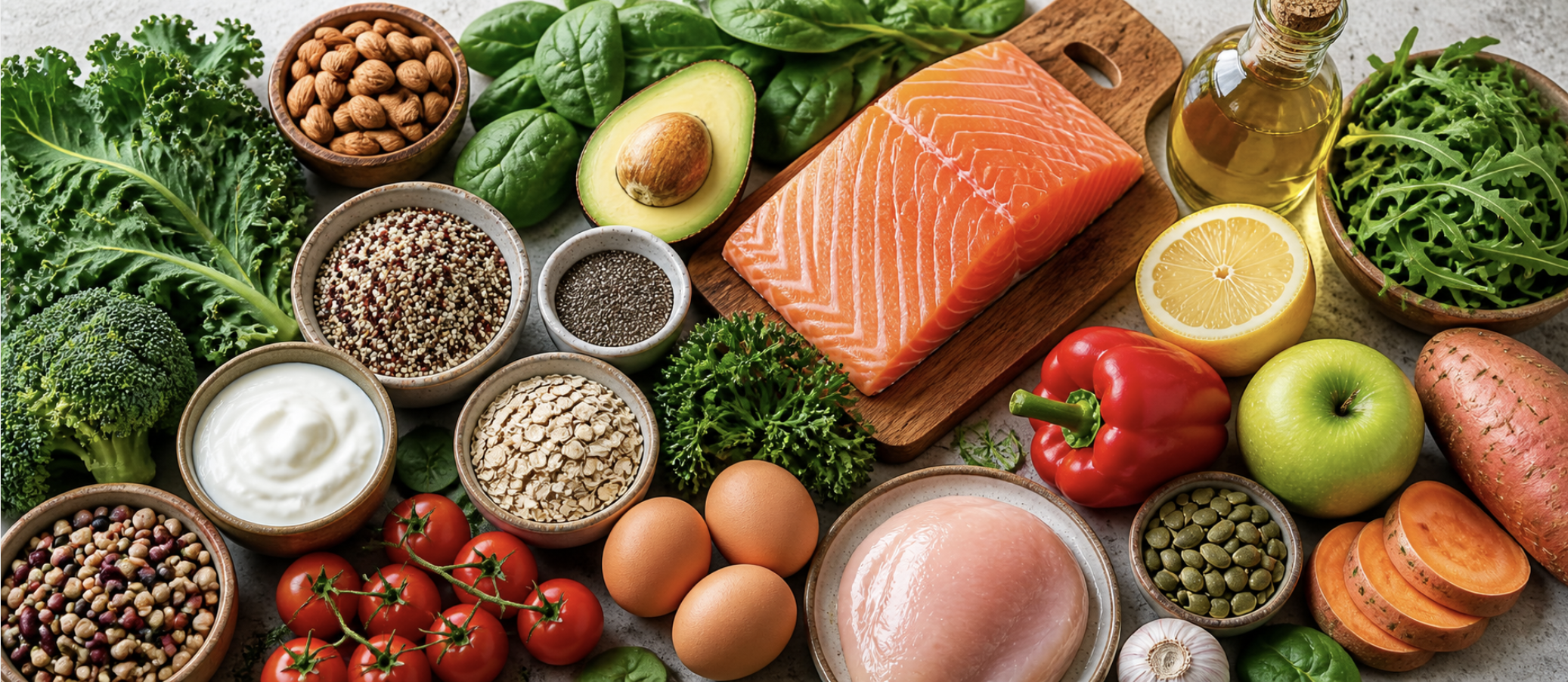
These amino acids come from protein-rich foods such as:
Fish
Poultry
Eggs
Grass-fed meats
Bone broth or collagen-rich foods
Many people recovering from injuries are unintentionally under-consuming protein, which can slow the body’s ability to repair connective tissue.
In general, individuals recovering from injury often benefit from slightly higher protein intake to support tissue repair. Individual protein needs can vary based on factors like body size, activity level, injury severity, and overall health status, so working with a nutrition professional can help determine what’s appropriate for you both during recovery and beyond.
Vitamin C: The Unsung Hero of Collagen Production
Vitamin C plays a critical role in the enzymes that form stable collagen fibers.
Without adequate vitamin C, the body cannot properly assemble collagen—even if enough protein is present.
Foods naturally rich in vitamin C include:
Bell peppers
Citrus fruits
Berries
Kiwi
Broccoli
Leafy greens
This is why some research suggests combining vitamin C with collagen or protein intake before rehabilitation exercises to support tendon repair.
Blood Sugar and Tendon Health
Another often-overlooked factor in tendon recovery is blood sugar balance.
Repeated spikes in blood sugar can affect connective tissue by promoting the formation of compounds called advanced glycation end products (AGEs). These compounds can make collagen fibers stiffer and less resilient.
For tendon health, a diet that supports stable blood sugar—built around whole foods, fiber, healthy fats, and adequate protein—can help support better tissue quality over time.
The Gut–Inflammation Connection
Chronic tendon pain isn’t always just about mechanical stress. In many cases, systemic inflammation can make tissues more sensitive and slower to recover.
One major driver of systemic inflammation is gut health.
The gut plays a central role in regulating immune activity and inflammatory signaling throughout the body. When the gut microbiome is balanced and the intestinal lining is functioning well, it helps regulate inflammatory responses.
When gut health is compromised—through poor diet, chronic stress, or microbiome imbalance—low-grade inflammation can increase throughout the body, potentially affecting recovery from injuries.
Supporting gut health through:
whole, minimally processed foods
adequate fiber intake
fermented foods
balanced blood sugar
can help create an internal environment that supports healing.
Recovery Happens Systemically
Tendon healing isn’t just about what happens at the site of pain.
It’s about the entire system working together: movement, nutrients, circulation, and cellular repair.
That’s why collaboration between physical therapy, nutrition, and supportive therapies can often produce better outcomes than any one approach alone.
Physical therapy provides the mechanical stimulus for adaptation.
Nutrition supplies the building blocks for tissue repair.
And therapies that support hydration and micronutrient status can further assist the body’s recovery process.
When those pieces align, the body is much better equipped to rebuild stronger, more resilient tissue.
While nutrition provides the foundation for healing, there are times when the body may benefit from more direct and targeted support—especially during periods of injury, inflammation, or increased physical demand.

IV Therapy Perspective: Supporting Recovery at the Cellular Level
Megan James — Prime IV Hydration & Wellness
IV Nutrient Support Perspective
IV therapy offers a way to deliver key nutrients directly into the bloodstream, bypassing the digestive system and allowing for more immediate availability at the cellular level.
This can be particularly helpful when the body’s demand for certain nutrients exceeds what can easily be absorbed through diet alone.
In the context of tendon recovery, IV therapy can support:
Hydration, which is essential for tissue elasticity and circulation
Vitamin C, a critical cofactor in collagen synthesis
Magnesium, which supports muscle relaxation and reduces excess tension on tendons
Amino acids, which provide building blocks for tissue repair
Vitamin D, which plays a role in collagen regulation, muscle function, tissue health
Antioxidants like glutathione, which help manage oxidative stress and inflammation
The hydration benefits from an IV can be felt almost immediately, with fluid balance typically peaking for 24–72 hours, depending on individual needs, activity level, and baseline hydration status.
The nutrients delivered through IV therapy—such as vitamins, minerals, and antioxidants—are rapidly utilized by the body at the cellular level. While some are used right away to support active repair processes, others can remain available in the system for several days or up to 3 weeks, depending on the specific nutrient and the individual’s metabolic demand.
Fat-soluble nutrients like vitamin D may have a longer-lasting impact, as Vitamin D can be stored in the body and used over time to support ongoing processes like immune regulation, muscle function, and connective tissue health.
Rather than replacing nutrition, IV therapy acts as a complement—helping ensure the body has access to the nutrients it needs, when it needs them most.
Where Peptide Therapy Fits In
In addition to nutrient support, peptide therapy represents an emerging tool in regenerative and performance-based medicine.
Peptides are short chains of amino acids—the same building blocks that make up proteins—that act as signaling molecules within the body. They help regulate a wide range of physiological processes, including tissue repair, inflammation, circulation, and cellular regeneration.
Because peptides function as targeted messengers, they can help “turn on” specific healing responses—making them a powerful complement to both physical therapy and nutritional strategies.
Certain peptides are being studied and used clinically to support:
Collagen production and connective tissue repair
Reduction of inflammation in overused or injured tissues
Improved recovery between training sessions
Enhanced blood flow and nutrient delivery to injured areas
Spotlight on BPC-157
One peptide that has gained attention in the context of tendon and soft tissue injuries is BPC-157 (Body Protection Compound).
BPC-157 is a synthetic peptide derived from a naturally occurring protein found in the stomach. It has been studied for its potential role in supporting the healing of tendons, ligaments, muscles, and other connective tissues.
While research is still evolving, early studies and clinical use suggest BPC-157 may:
Support accelerated healing of tendon and ligament injuries
Promote angiogenesis (the formation of new blood vessels), which improves blood flow to injured tissue
Help regulate the inflammatory response, reducing prolonged or excessive inflammation
Support collagen organization, which is critical for building strong, resilient tendon tissue
For individuals dealing with persistent tendon pain—or those who haven’t fully responded to traditional approaches—BPC-157 may offer an additional layer of support at the cellular level.
BPC-157 is now available in buccal (dissolvable) strip form, which allows it to be absorbed through the tissues of the cheek. This delivery method bypasses the digestive system and offers a convenient, non-invasive option—no injections required—while still supporting efficient absorption.
Supporting the Whole Recovery System
Tendon healing is rarely about just one intervention.
Physical therapy provides the mechanical stimulus
Nutrition provides the building blocks
And therapies like IV nutrients and peptides can help support the internal environment for repair
When these approaches are aligned, recovery becomes more efficient—and more complete.
The goal isn’t just to reduce pain in the short term, but to restore the body’s ability to handle load, recover effectively, and stay active long-term.
Shared Conclusion
Tendon injuries can be stubborn, but they are rarely just a problem of one tissue or one system.
Recovery depends on multiple factors working together:
The right movement stimulus to encourage tissue adaptation
Adequate nutrition to supply the building blocks for repair
Supportive therapies that help optimize recovery at the cellular level
When these elements align, the body is far better equipped to rebuild stronger, more resilient tendon tissue.
For many people dealing with persistent tendon pain, the missing piece isn’t simply doing more rehab exercises or resting longer—it’s taking a broader view of recovery.
A collaborative approach between physical therapy, nutrition, and supportive therapies can help address the whole system, not just the painful spot.
Because true recovery isn’t just about calming pain.
It’s about restoring the body’s ability to move, perform, and return to the activities you love.
Ready to Move Past Persistent Tendon Pain?
If you’re dealing with tendon pain that keeps coming back, or an injury that never fully resolved, it may be time to move beyond rest and generic rehab.
A more individualized, system-based approach can help you build the strength and capacity your body needs to stay active long-term.
You can connect with each of our providers below:
Physical Therapy & Movement Assessment
Personal PT — Joanna Kahn, PT
Nutrition & Recovery Support
Whole Essentials Nutrition — Emilie Davis, MScN
👉 https://autumnbear.janeapp.com/#/list
IV Therapy/ Micronutrient Support and Peptide Therapy
Prime IV Hydration & Wellness — Megan James
👉 https://primeivhydration.com/locations/utah/park-city-ut/
Or, if you’re not sure where to start, begin with a movement assessment to better understand what your body needs to recover and perform.
The Missing Link
Connecting movement, nutrition, and recovery for better healing.
Exploring the factors that influence pain, injury recovery, and movement performance.